Google's San Francisco Office History Archival
The Objective To synthesize and visualize the dense, multi-layered history of Google San Francisco’s office buildings into an accessible, engaging, museum-quality experience for Google employees. The goal was to bridge the gap between the physical environment and the site's rich historical narrative.
Background and Problem
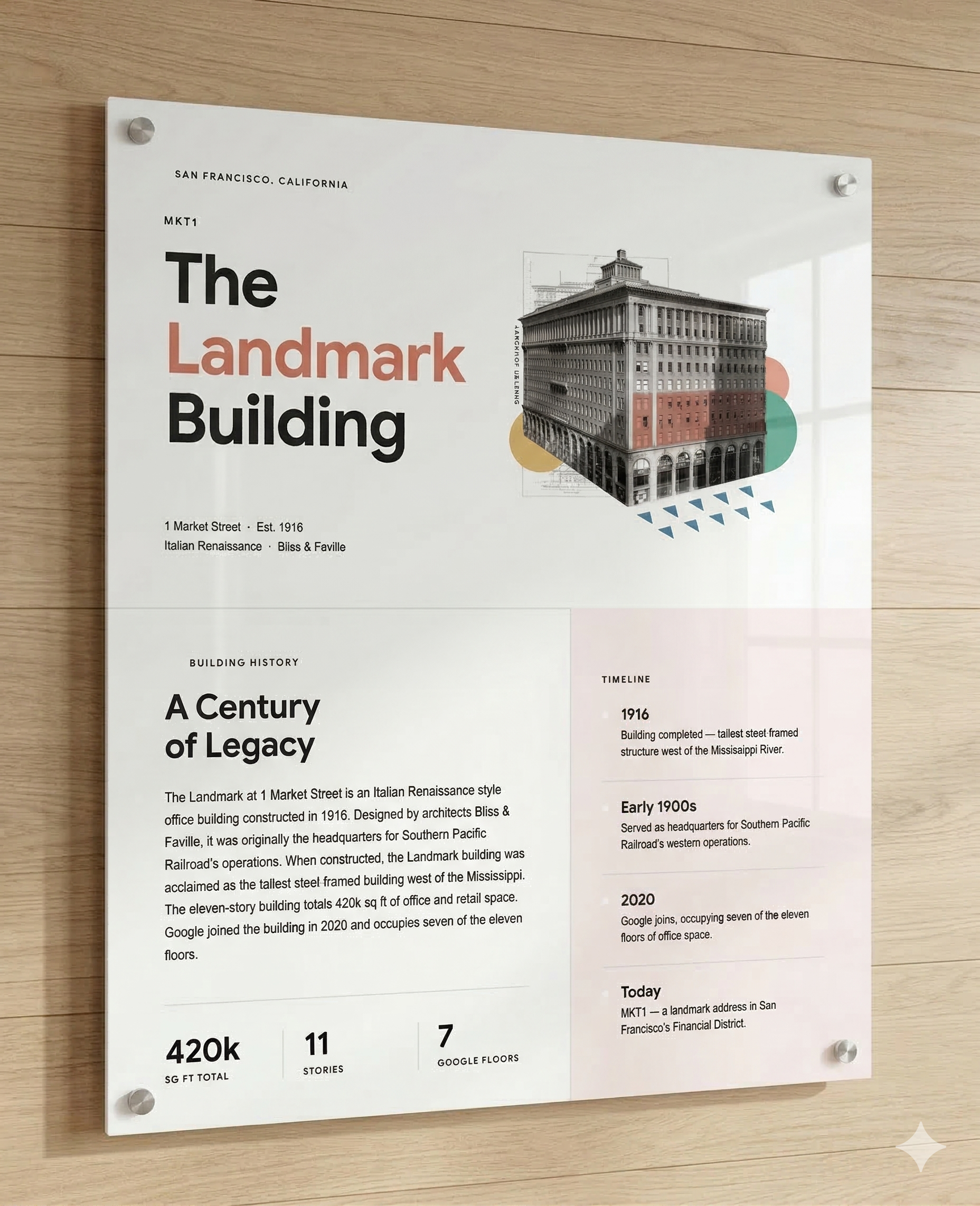
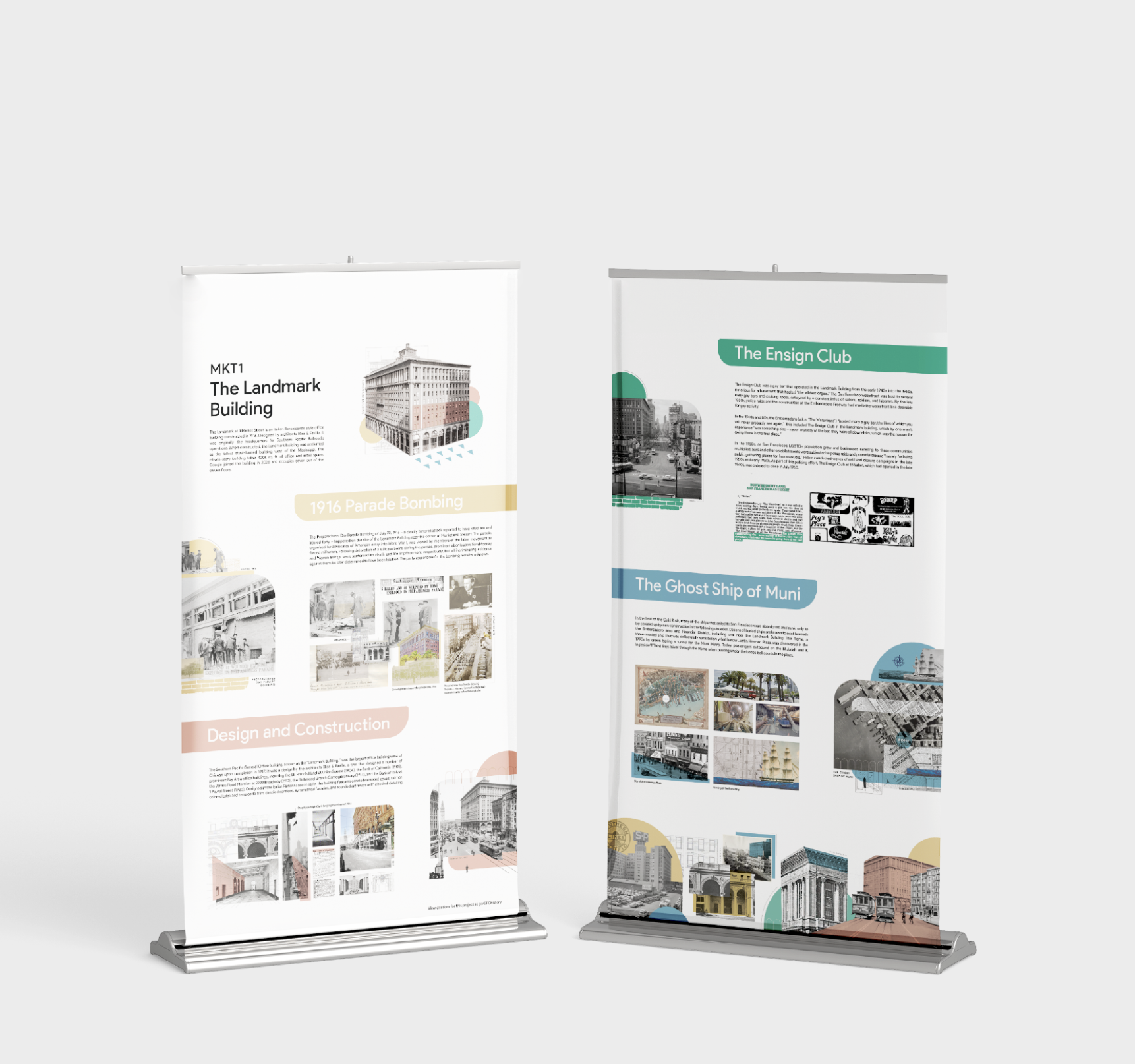
The Google office buildings hold over a century of profound and diverse history—ranging from the 1916 origins as the Southern Pacific Railroad headquarters to the underground LGBTQ+ history of SF, and even buried Gold Rush-era ships beneath the Embarcadero. The challenge was curating this vast amount of historical data, photography, and archival content from a historical archivist working on the project and turning it into a cohesive, easily digestible visual story that lived across both digital and physical touch points.
The Solution
I developed a comprehensive, multi-layered "narrative" that brought the building's history to life. By blending digital storytelling with physical placemaking, I created a self-guided historical journey. The project served as both an educational resource and an homage to the cultural impact of the San Francisco waterfront.
Project Overview
Client: Google San Francisco
My Role: Visual Designer
Duration: 3 Months
Deliverables: Branding, Illustration, Internal Communications, Web Design, and Print Design and Production.

Deliverables & Responsibilities
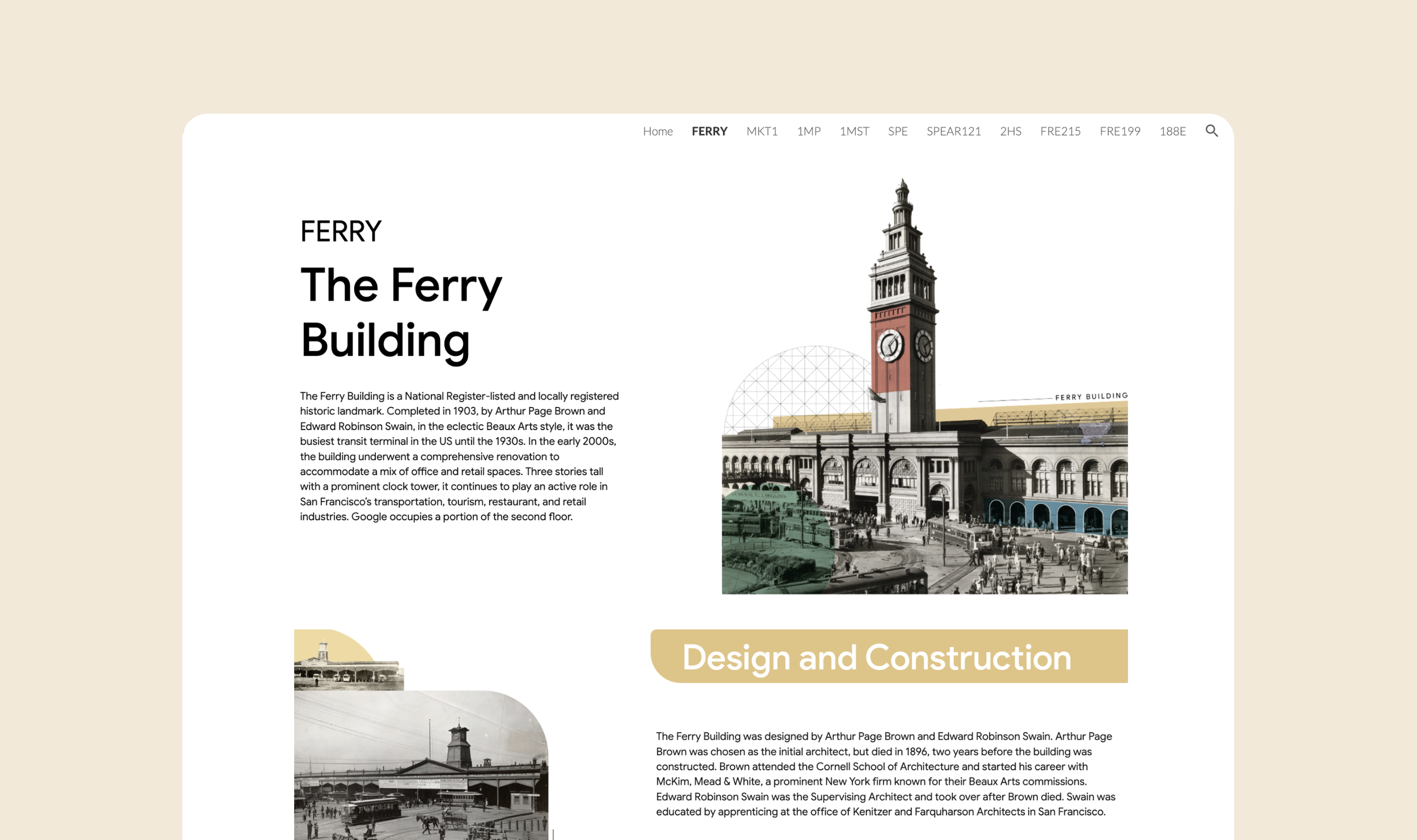
Digital Archive & Web Design: Built and designed a dedicated digital hub to house the full scope of the project. I structured the site’s architecture and visual layout to ensure historical text, blueprints, maps, and archival imagery worked together seamlessly.
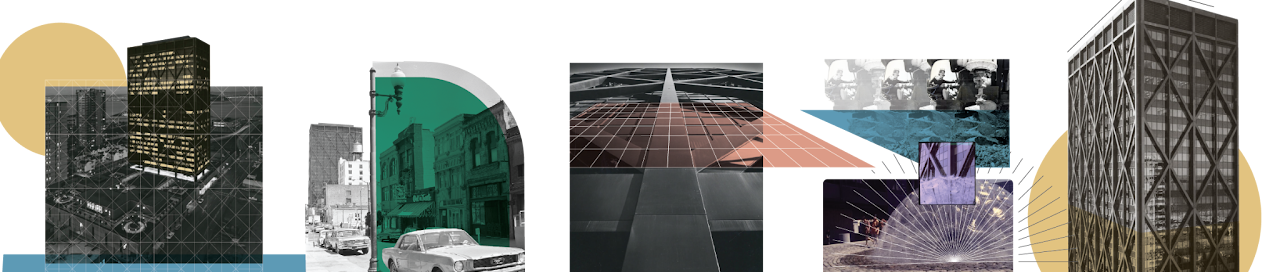
Visual Curation & Storytelling: Sourced, restored, and arranged historical assets, turning complex historical statistics and events into compelling visual narrative illustrations.
Email Campaign Design: Designed engaging internal email communications to distribute these historical stories to the audience, effectively driving traffic to the digital archive and raising awareness of the physical signage.